
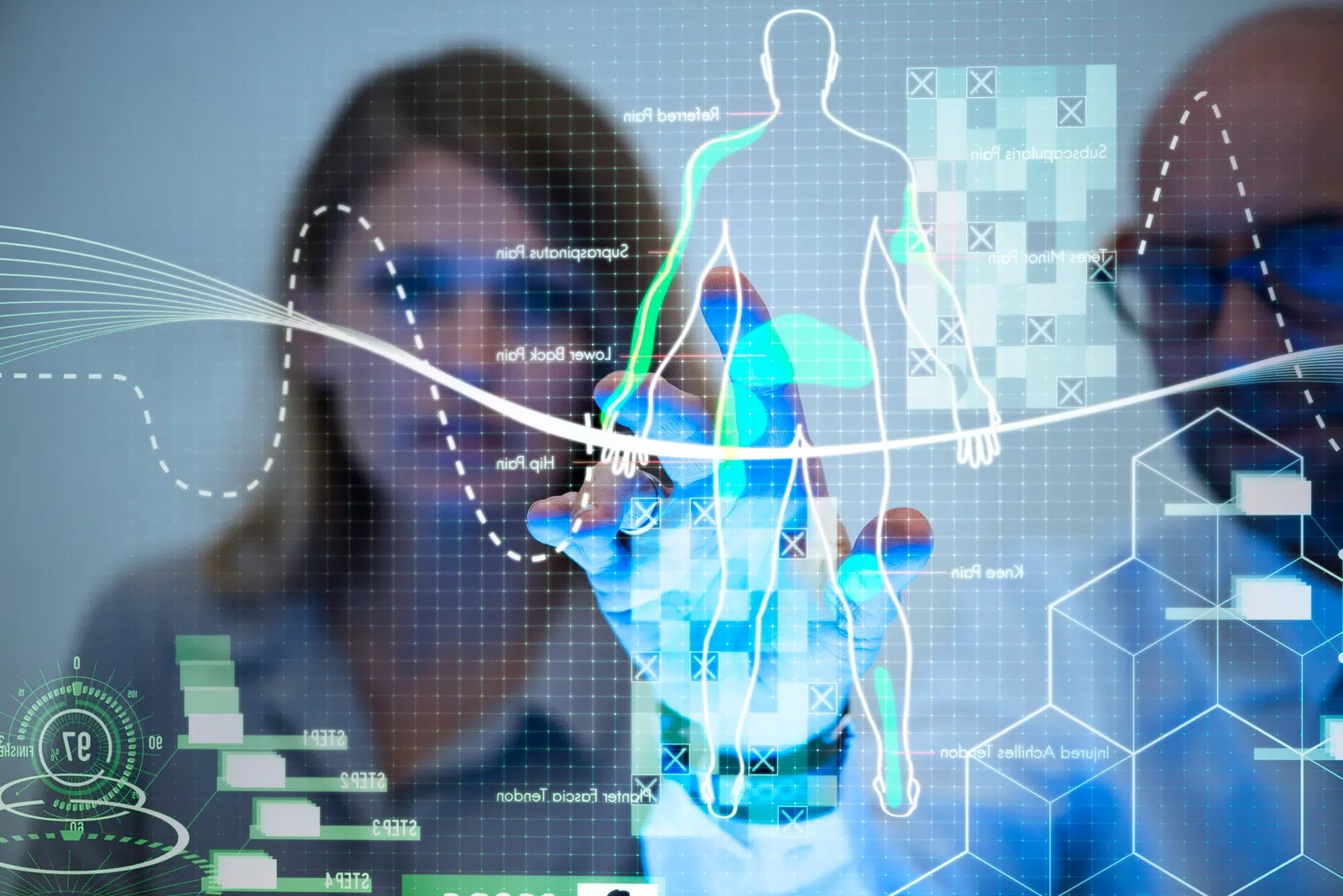
In 2026, the integration of artificial intelligence into the global healthcare infrastructure has evolved from experimental pilot programs into a cornerstone of clinical practice. By synthesizing vast datasets—from genomic profiles to real-time wearable telemetry—AI is moving medicine toward a more predictive, proactive, and personalized model of patient care.
The New Frontier: How AI Enhances Diagnostics
One of the most significant breakthroughs of the year is the deployment of high-precision diagnostic tools. AI algorithms are now routinely used to augment the capabilities of radiologists and pathologists. By analyzing complex imagery—including CT scans, MRIs, and biopsy slides—these systems can detect minute anomalies, such as early-stage tumors or cardiovascular markers, often faster and with higher sensitivity than manual inspection.
For instance, specialized colonoscopy assistants now scan video feeds in real-time, helping clinicians identify polyps that might otherwise be overlooked during high-volume screening sessions. This is not about replacing the physician, but rather providing a “digital second opinion” that reduces diagnostic error and accelerates the start of life-saving treatment.
Automating Efficiency in Hospital Operations
While clinical applications often capture the headlines, the most immediate impact of AI is occurring within hospital operations and administrative workflows. Healthcare administrators are leveraging intelligent automation to solve chronic staffing shortages and budget constraints.
- Clinical Documentation: Ambient AI scribes are becoming standard in examination rooms. By listening to and summarizing patient-provider interactions, these tools draft clinical notes automatically, significantly reducing the administrative “burnout” that has long plagued the profession.
- Revenue Cycle Management: AI systems now predict insurance denials, validate medical coding, and optimize staff scheduling based on historical patient flow data. These operational efficiencies allow hospitals to redirect critical resources back toward direct patient care.
Personalized Medicine and Drug Discovery
The era of “one-size-fits-all” treatment is rapidly receding. In 2026, healthcare providers are increasingly using AI to tailor interventions to an individual’s unique genetic makeup, environment, and lifestyle. This precision medicine approach is particularly potent in oncology and the management of rare metabolic disorders.
Furthermore, AI is fundamentally changing the pharmaceutical landscape. By simulating how molecules interact with human proteins, AI agents can compress the drug discovery timeline from years to mere months. This accelerates the development of targeted therapies, enabling scientists to explore chemical spaces that were previously too vast or complex to map.
Remote Monitoring: The “Always-On” Patient
With the rise of sophisticated wearable technology, the boundary between the clinic and the home has blurred. AI-powered platforms continuously analyze vital signs—such as heart rate variability, blood pressure, and sleep architecture—transmitting alerts to care teams only when significant deviations occur.
This proactive monitoring is shifting the focus from reactive “sick care” to preventative health management. For patients with chronic conditions like hypertension or diabetes, these systems provide a continuous safety net, reducing the frequency of unplanned emergency room visits and hospital readmissions.
The Future of Human-Centered Technology
Despite these rapid advancements, the consensus among healthcare leaders remains clear: AI is a powerful assistant, not a replacement for clinical judgment. The most successful implementations in 2026 are those where AI provides the data-driven foundation, while clinicians retain the ultimate responsibility for medical decisions.
As organizations refine their governance frameworks to address data privacy and algorithmic bias, the potential for AI to foster a more accessible and sustainable global healthcare system remains immense. By automating the mundane and highlighting the critical, technology is effectively giving doctors the one thing they need most: more time to focus on their patients.